
Your first choice for a classic & custom car club
New Braunfels, Texas
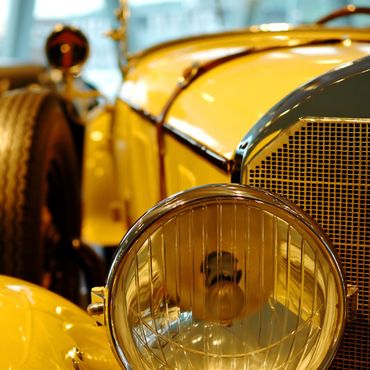
our club had a great beginning
The club was formed in late 1991 by a group of classic car owners. The name was chosen in an effort to gather in all of the area owners who shared an interest in classic cars. The purpose of the club was then, and is now, to encourage the preservation and the enjoyment of classic cars 20 years old and older.
The first annual Swap meet was held in April of 1992 with both the New Braunfels Rotary Club and the New Braunfels Area Car Club. The first Swap Meet had 356 swap meet spaces. It now has grown to well over 1000 spaces. The proceeds from the swap meet are used for scholarships for area students going into automobile related professions.

Come along and meet the people
Get to know the people in your area that love older cars and want to keep them on the road. These cars are as golden to our era as our music. It takes special knowledge to keep them running and in road worthy shape.
We are a mix of all ages. We are singles, we are married and we have families with three generations. Our events are geared for fun. You will find that the more you get involved, the more you will get out of the club.
Now, with all that being said, what completes our group? "We are joined by the beautiful automobile and
our passion for the open Road."
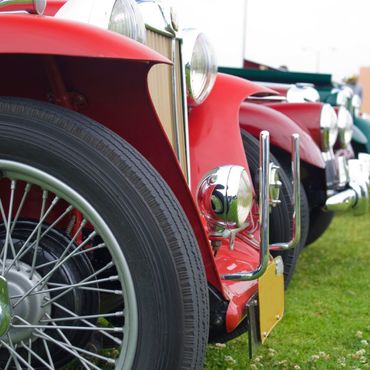
We are a servant leader club
visit our Swap Meet
"The best way to find yourself, is to lose yourself in the service of others"
.......Gandhi
Our Swap Meet is in April and is well known around the world. We have 1000+ vendor spaces at the Comal County Fair grounds. This function is an all- volunteer event held by the club members. The Swap Meet is open to the public and it provides a venue to meet many vendors of car parts and general collectibles. We provide a car corral that will show case cars for sale. It allows individuals to sell their ride at the Swap Meet.
We donate and volunteer our time to provide a window into our hobby so that all generations can appreciate the cars. We award scholarships to students interested in pursuing studies in the automobile industry. We appear at many of the area charity car shows in support of their events in both funding and to enrich their shows.
About us
Our Club is a Non-Profit (501c-3) Charity served by our volunteer members.
President: Charlie Jacobs
Vice President: Charles Bode
Secretary: Adriana Penaluna
Treasurer: Martha Greenlaw
Swapmeet Co-Directors: Doyle Marshall & Mike Haas
Swapmeet Registration: Marilyn Marshall & Bonnie Walchak
Our Board members: Steve Hair
Larry TaylorDoyle MarshallTom PriceMike HaasStephen PenalunaSherry Dawson
We offer a common thread connection based around our cars.
membership:
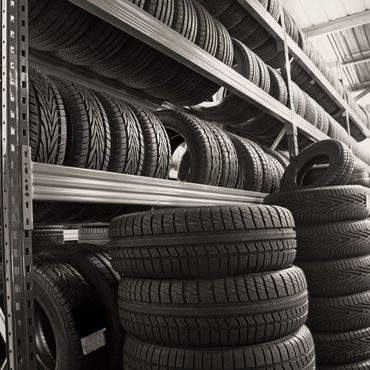
Just like these tires, without the cars they cannot go anywhere. And we as a club cannot get anywhere without great members . Our club boasts over 125 active members. Come and be a part of a great group
MEMBERSHIPS:
FIRST YEAR : SINGLES $40 &
FAMILY $50
RENEWAL FEE : INDIVIDUAL $30 & FAMILY $40
meetings:
The New Braunfels Area Car Club meets the first Sunday of every month at the New Braunfels Public Library at 2 pm. All notifications of changes will be sent out by email to membership. We have informal get togethers at Kirby's on the 123 bypass in Seguin on Friday nights and the Longhorn Cafe in New Braunfels on the N. TX 46 (near HEB) on Saturdays. We also meet at the Golden Corral in New Braunfels the 2nd Saturday of each month at 9:00 a.m. These are just fun gatherings of cars and owners. Our Annual Christmas Party is on the first Saturday in December at the Silver Center in Seguin. Watch this website for updated information.
Swap Meet
The Swap meet is held in April at the Comal County Fair Grounds in New Braunfels on Common Street. This Swap Meet is well known all over North America, we have a wonderful mix of vendors. All members must participate in some form with the swap meet. There are plenty of small jobs before, during and at the end of the event for our volunteers.
The fair grounds provide a wonderful venue for the Swap Meet and security is provided during the meet.
We ask that every member participates in the Swapmeet.
There is plenty of work to go around and there is something for every skill and every age.
The best time to meet your neighbors.